One detail that sets us apart: our published cycle figure of 4,000+ cycles holds at the temperature extremes, not just at room temperature. Most LiFePO4 manufacturers cite the 4,000 number as a 25°C lab figure that quietly drops to 1,500–2,000 in real-world thermal swings. Wide Temp's number is engineered to hold across the operating envelope. It's the warranty discipline that buys you year ten.
When it comes to solar energy, the promise of clean, renewable power is only as reliable as the system that stores it. Many battery storage system for solar installations falter under extreme temperature conditions, leading to rapid degradation, reduced capacity, and shortened lifespan. For off-grid cabins in snowy mountain ranges, desert solar farms baking under relentless sun, or remote installations enduring wide seasonal temperature swings, typical batteries simply don’t hold up.
Intelligent Power’s Wide Temp LiFePO4 batteries provide a robust answer to this challenge. Rated to operate effectively from -40°F up to 140°F, these batteries offer unparalleled resilience where most others fail. With a 4,000 cycle life, they deliver not only extreme temperature tolerance but also long-term reliability, making them ideal for projects requiring dependable energy storage in harsh environments.
Why Temperature Matters in Solar Battery Storage
Batteries are chemical devices, and their performance is inherently influenced by temperature. When temperatures drop below freezing or soar into the triple digits, standard lithium-ion and lead-acid batteries experience capacity loss, reduced charge acceptance, and accelerated aging. For example, lead-acid batteries can see their effective capacity drop by over 50% at temperatures below 32°F, while high heat around 120°F drastically shortens their lifespan.
Similarly, many lithium-ion battery chemistries struggle in extreme cold, where internal resistance increases, limiting discharge rates and available capacity. High temperatures exacerbate electrolyte degradation, leading to swelling, safety risks, and diminished cycle life.
For solar-powered systems installed in remote or off-grid locations, where temperature extremes are common, this degradation can mean frequent battery replacements, increased maintenance costs, and system downtime—defeating the purpose of reliable energy independence.
Wide Temp LiFePO4 Batteries: Engineered for Extremes
Wide Temp batteries from Intelligent Power leverage Lithium Iron Phosphate (LiFePO4) chemistry, known for its superior thermal stability and safety profile compared to other lithium-ion variants. But beyond chemistry, these batteries are specifically engineered to endure operating temperatures ranging from a frigid -40°F up to a scorching 140°F without compromising performance.
- Cold Weather Operation (-40°F): Specially formulated electrolyte and battery management systems (BMS) allow Wide Temp batteries to charge and discharge efficiently even in subzero conditions, a critical feature for off-grid cabins, winterized remote weather stations, and northern solar installations.
- High Heat Tolerance (up to 140°F): Reinforced thermal management and robust cell design enable these batteries to withstand desert heat, rooftop solar arrays in the Southwest, or industrial solar sites exposed to high ambient temperatures.
- Long Cycle Life: Rated for 4,000 cycles at 80% depth of discharge, Wide Temp batteries significantly outlast typical lead-acid and standard lithium-ion batteries, reducing total cost of ownership and environmental impact.
Real-World Applications Demonstrating Temperature Resilience
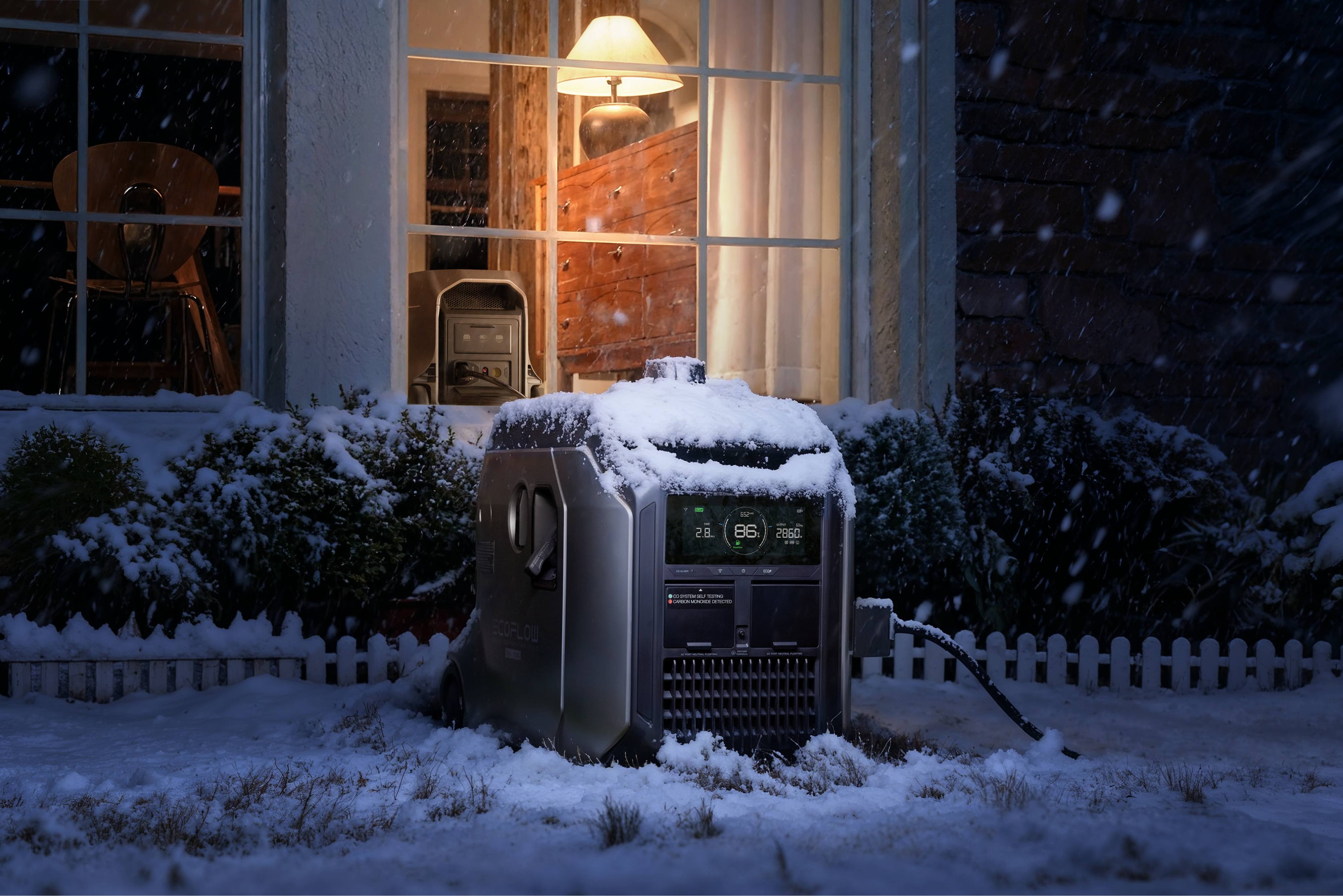
Off-Grid Cabins and Remote Homes: Mountain cabins often suffer from cold winters where typical batteries fail or require costly heating enclosures. Wide Temp batteries eliminate the need for additional climate control by maintaining full operation at -40°F, ensuring reliable power for heating systems, lighting, and communication equipment during the harshest months.
Desert Solar Installations: Solar arrays in desert environments face extreme daytime heat and large temperature swings at night. Conventional batteries degrade rapidly under these conditions, jeopardizing system uptime. Wide Temp batteries thrive in these environments, providing consistent energy storage even when ambient temperatures spike well above 120°F.
Cold-Climate Solar Projects: In regions with extreme winter weather—from the northern US to parts of Canada and Scandinavia—solar battery storage system for solar must be able to withstand freezing conditions without performance loss. The Wide Temp solution’s low-temperature capabilities enable year-round operation without sacrificing cycle life or safety.
Technical Considerations When Selecting Extreme Temperature Batteries
When evaluating battery storage system for solar projects in extreme climates, it’s important to consider the following factors:
- Temperature Range: Confirm the battery’s rated operating temperatures, especially if your location routinely exceeds typical battery specs. Wide Temp batteries’ -40°F to 140°F range covers virtually all extreme environments.
- Battery Management System (BMS): A sophisticated BMS is critical to monitor cell voltages, temperature, and state of charge, preventing damage under extreme conditions and optimizing performance.
- Cycle Life: Longer cycle life reduces replacement frequency and lowers total cost of ownership. The Wide Temp’s 4,000 cycle rating at 80% depth of discharge sets a high bar for durability.
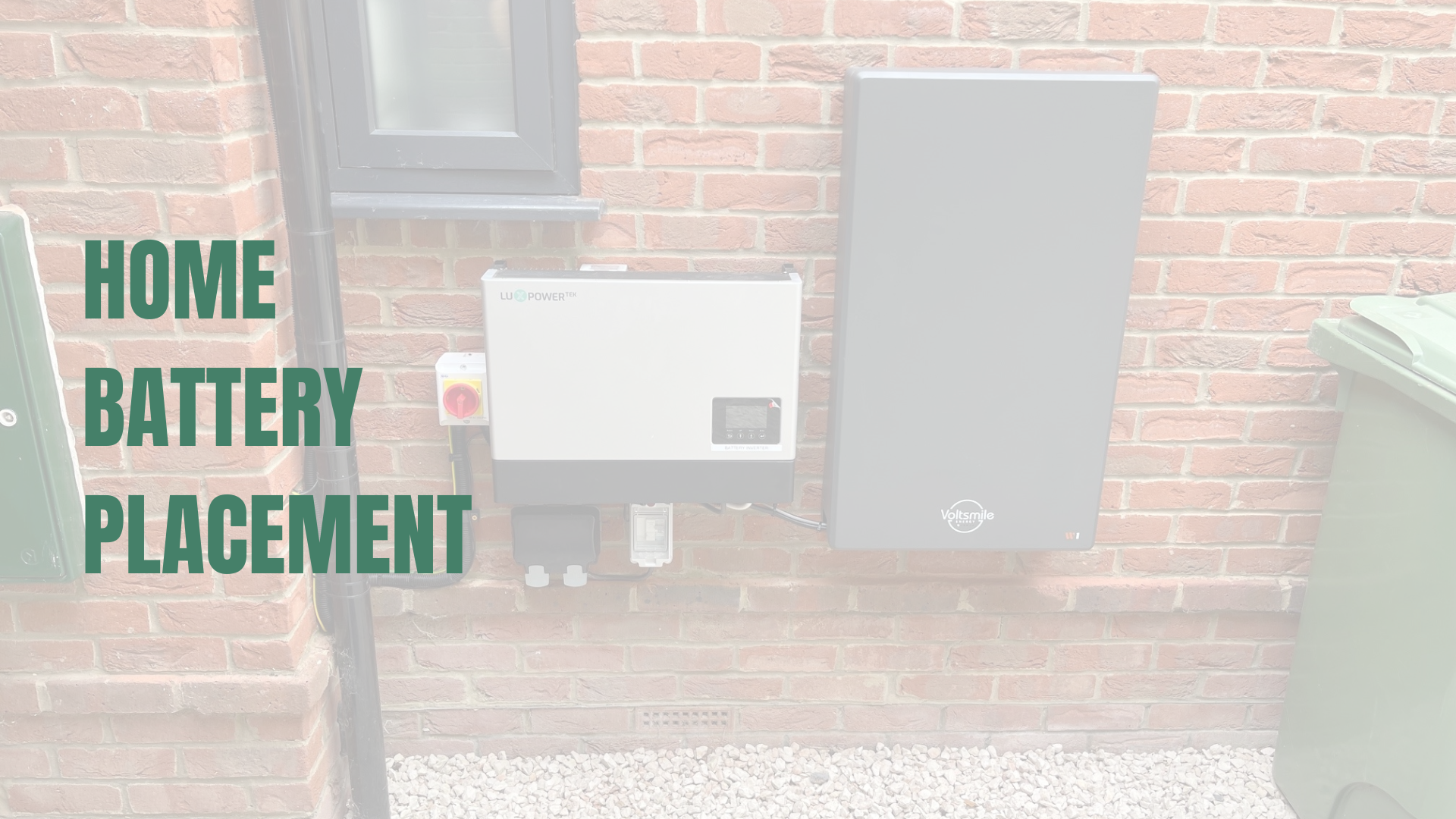
- Installation Environment: Consider whether the battery enclosure provides insulation or ventilation. While Wide Temp batteries excel without climate control, proper system design can further enhance longevity.
Integrating Wide Temp Batteries into Your Solar System
Adding a battery storage system for solar that withstands extreme temperatures requires both quality components and thoughtful system design. Intelligent Power’s Wide Temp batteries integrate seamlessly with most solar charge controllers and inverters, providing reliable energy storage without the need for complex environmental controls.
For off-grid systems, pairing Wide Temp batteries with solar panels and MPPT charge controllers ensures maximum energy capture and storage even during short winter days or scorching summer heat. In grid-tied or hybrid systems, these batteries provide backup power and peak shaving capabilities, maintaining performance regardless of external temperature swings.
The Cycle-Life Number That Actually Matters
Cycle-life claims are the most over-promised number in the LiFePO4 market. The way to read them honestly is to ask under what conditions the cycle test was run. Wide Temp publishes cycle data at 25°C and at the operating-envelope extremes — and warranties the same number across both. The reason we can do that is that the underlying cell chemistry is engineered for it: high-purity electrolyte, low cell-to-cell variance, conservative charge profile, and a BMS that doesn't allow conditions that would shorten cycle life. The result is a battery whose cycle warranty actually means something across the full duty cycle.
Conclusion
Extreme temperature conditions have historically limited the effectiveness and lifespan of solar battery storage systems. Intelligent Power’s Wide Temp LiFePO4 batteries break through these limitations, delivering a robust, long-lasting solution rated from -40°F to 140°F and capable of 4,000 cycles. Whether powering off-grid cabins in frigid climates, desert solar farms, or any installation exposed to harsh temperature swings, Wide Temp batteries ensure your solar investment performs reliably year-round.
Choosing the right battery storage system for solar is critical to achieving true energy independence in challenging environments. With Wide Temp technology, you can confidently design systems that endure the extremes, reduce replacement costs, and maintain dependable power when you need it most.
Reviewed By
This article was reviewed by the engineering team at Wide Temp Batteries, including Darrell Jakins, CEO and a 20-plus-year veteran of advanced battery system design. Specifications, cycle figures, and operating ranges referenced in this piece are drawn from our published cell datasheets and the current revision of our 10-year warranty documentation.
Want to see the side-by-side cycle-life tables, including the test conditions that produce the published numbers? Reach out to our team and we'll walk you through the engineering data, real-world deployment results, and the exact configuration that fits your application.
Reviewed by Intelligent Power Engineering Team
This article was written and fact-checked by our in-house battery engineering team with 50+ years of combined experience in LiFePO4 technology and wide temperature battery systems.
Meet our team →