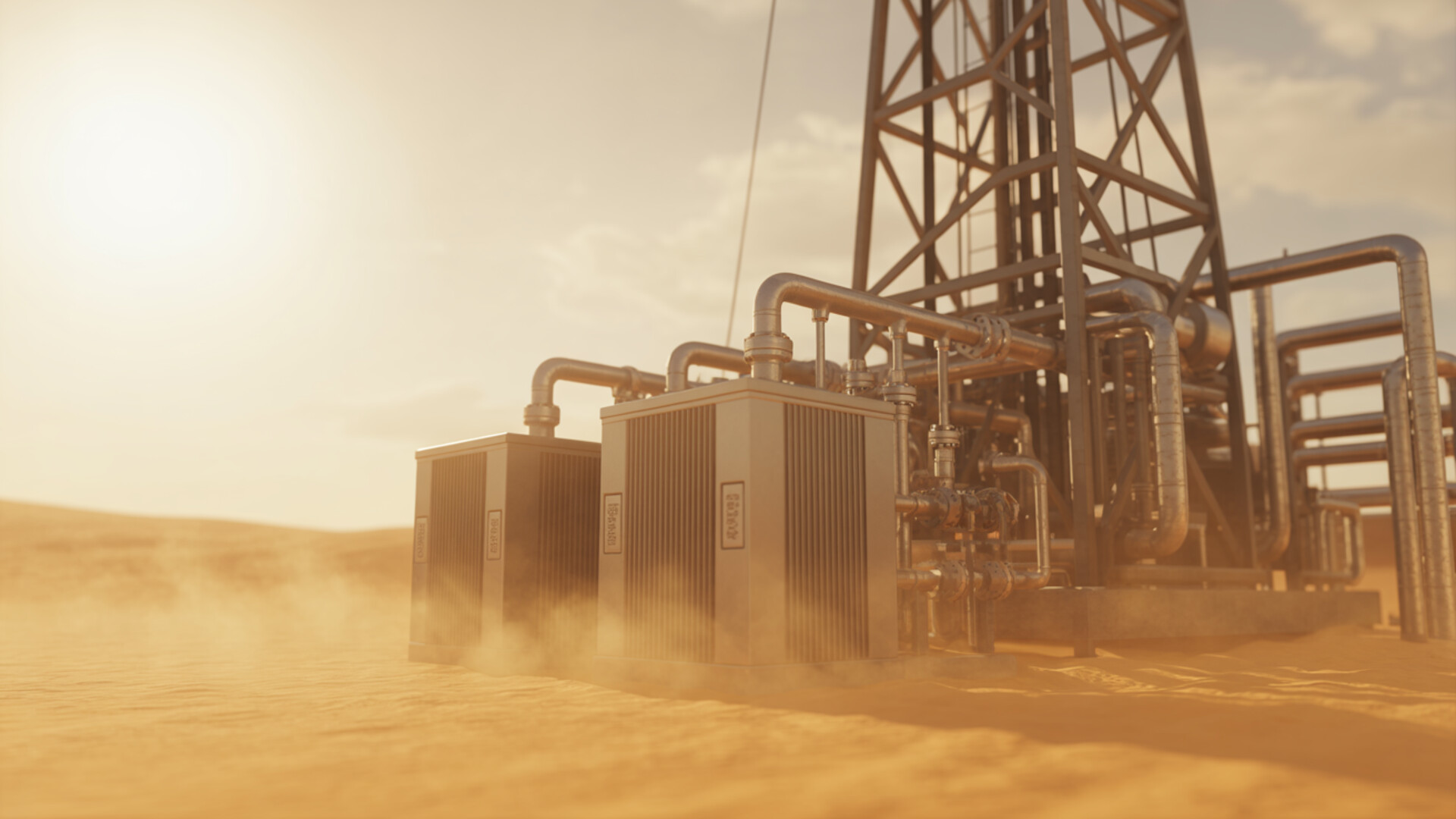
From the field: Our oil & gas customers don't measure batteries in cycle count — they measure them in unscheduled truck-rolls avoided. A single helicopter swap on a remote sour-gas well-head pad can run $40,000+ before parts. Wide Temp packs are designed to make those visits a maintenance event, not an emergency. Below: the engineering choices that take an upstream battery from "replace every two winters" to "set and forget for a decade."
In the oil and gas industry, operational efficiency and reliability are paramount, especially when working in harsh environmental conditions. The need for robust energy solutions is critical for maintaining productivity and safety. This is where specialized oil and gas battery systems come into play. In this article, we will explore the unique challenges faced by the oil and gas sector and how advanced battery technology, particularly LiFePO4 batteries, can provide effective solutions.
Challenges in Oil and Gas Operations
Oil and gas operations often take place in extreme conditions, ranging from freezing temperatures to sweltering heat. These harsh environments can significantly impact the performance and reliability of traditional power sources. Key challenges include:
- Extreme Temperatures: Operations can occur in regions with temperatures ranging from -40°C to +75°C, requiring batteries that can function efficiently under both cold and hot conditions.
- Remote Locations: Many oil and gas sites are located in remote areas with limited access to conventional power grids, necessitating reliable off-grid energy solutions.
- Safety Concerns: The oil and gas industry is inherently hazardous, making it vital to have battery systems that minimize risks of failure or accidents.
- High Energy Demand: Operations often require a significant amount of energy for drilling, extraction, and processing, making battery capacity a crucial factor.
Why Choose LiFePO4 Batteries for Oil and Gas Operations?
LiFePO4 (Lithium Iron Phosphate) batteries offer several advantages that make them particularly suited for the oil and gas industry:
1. Extreme Temperature Tolerance
One of the standout features of LiFePO4 batteries is their ability to operate effectively in extreme temperatures. With a temperature range of -40°C to +75°C, these batteries can endure the most challenging conditions without performance degradation. This capability ensures that critical operations remain uninterrupted, even in the harshest climates.
2. Long Cycle Life
LiFePO4 batteries have a cycle life of up to 4,000 cycles, significantly outlasting traditional lead-acid batteries. This longevity translates to lower replacement costs and reduced downtime, making them a cost-effective solution for oil and gas operations.
3. Built-in Battery Management System (BMS)
Every LiFePO4 battery from Wide Temp is equipped with a built-in Battery Management System (BMS) that ensures optimal performance by monitoring voltage, current, and temperature. This feature not only enhances safety by preventing overcharging and overheating but also maximizes battery lifespan.
4. No-Dendrite Technology
Traditional lithium batteries are susceptible to dendrite formation, which can lead to short circuits and failures. In contrast, LiFePO4 batteries utilize no-dendrite technology, significantly reducing these risks and enhancing overall safety in oil and gas operations.
5. Cold-Charging Capability
Cold weather can hinder the charging capabilities of many battery types. However, LiFePO4 batteries can be charged even in low temperatures, ensuring that energy storage solutions remain reliable, regardless of the weather conditions.
Applications of Oil and Gas Battery Systems
Oil and gas battery systems have a wide range of applications within the industry, including:
- Remote Monitoring and Control: Utilizing battery-powered sensors and monitoring equipment can help optimize operations and enhance safety.
- Drilling Equipment: Reliable power sources are essential for drilling rigs and associated machinery that require uninterrupted energy supply.
- Emergency Backup Power: In case of power outages, LiFePO4 batteries can provide immediate backup power to critical systems.
- Off-Grid Operations: Many oil and gas operations occur far from traditional power sources, making independent battery systems a viable solution for energy needs.
Why Upstream Operators Specify Wide Temp by Name
Three engineering choices show up in every Wide Temp pack we ship into oilfield service: a hermetically sealed prismatic cell format that won't outgas in a Class I Div 2 cabinet, a BMS firmware build that holds calibration after extended deep-cycle use without drift, and a low-self-discharge profile that survives a four-month winter shut-in with under 3% capacity loss. None of these are flashy spec-sheet bullet points — but together they're why our oil & gas customers run the same packs across SCADA, RTU, cathodic-protection, and methane-detection loads instead of stocking three different SKUs.
Conclusion
As the oil and gas industry continues to operate in increasingly challenging environments, the need for reliable and durable energy solutions becomes more critical. Oil and gas battery systems, particularly those utilizing advanced LiFePO4 technology, offer a robust solution that meets the demands of extreme temperatures, high energy requirements, and safety concerns.
At Wide Temp Batteries, we specialize in providing cutting-edge battery technology specifically designed for harsh environments. Our LiFePO4 batteries not only enhance operational efficiency but also ensure safety and reliability in the field. By investing in our oil and gas battery systems, businesses can safeguard their operations and focus on what they do best—driving energy production forward.
Reviewed By
This article was reviewed by the engineering team at Wide Temp Batteries, including Darrell Jakins, CEO and a 20-plus-year veteran of advanced battery system design. Specifications, cycle figures, and operating ranges referenced in this piece are drawn from our published cell datasheets and the current revision of our 10-year warranty documentation.
Have a specific load profile or hazardous-area classification you need to spec against? Reach out to our team and we'll walk you through the engineering data, real-world deployment results, and the exact configuration that fits your application.
Reviewed by Intelligent Power Engineering Team
This article was written and fact-checked by our in-house battery engineering team with 50+ years of combined experience in LiFePO4 technology and wide temperature battery systems.
Meet our team →