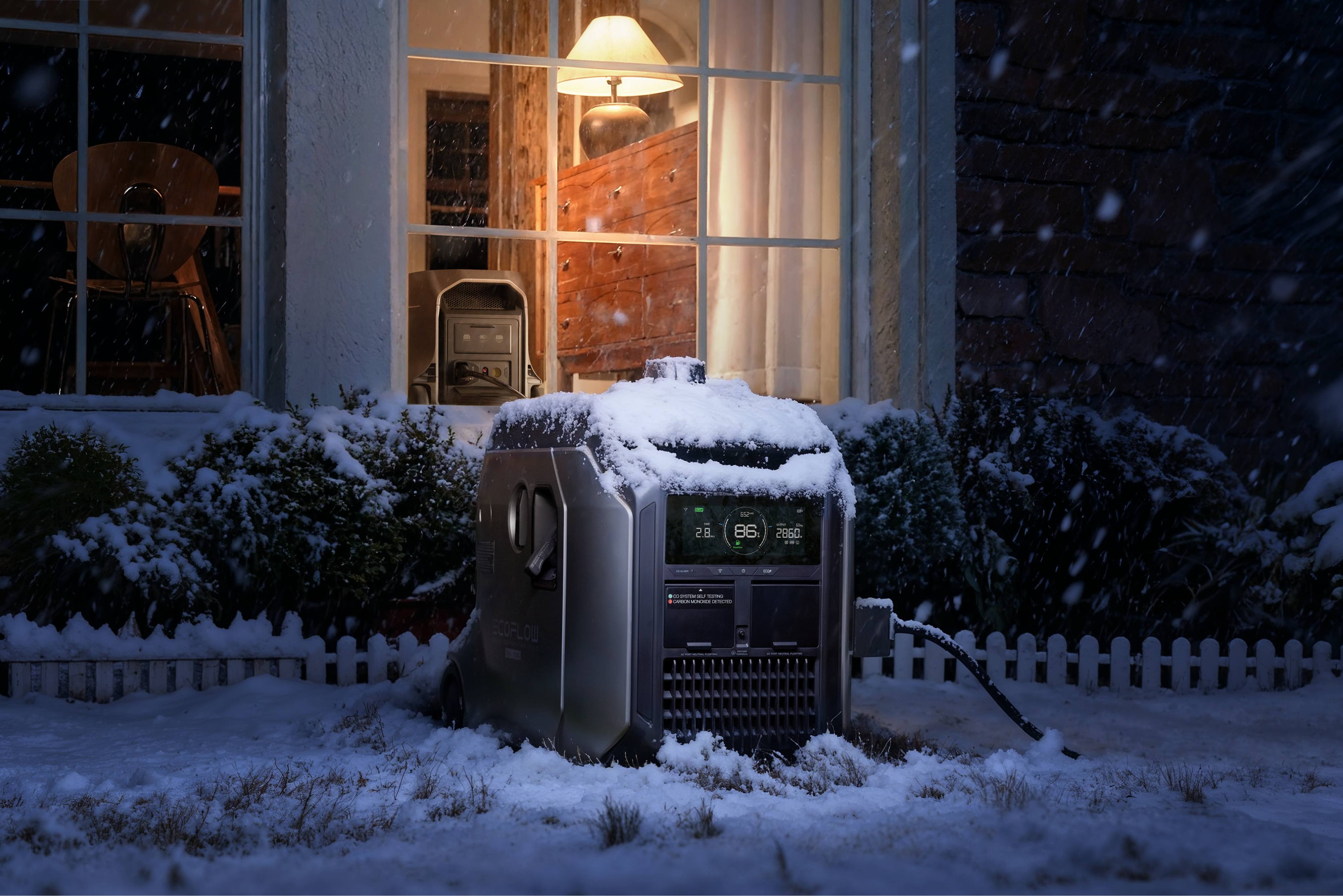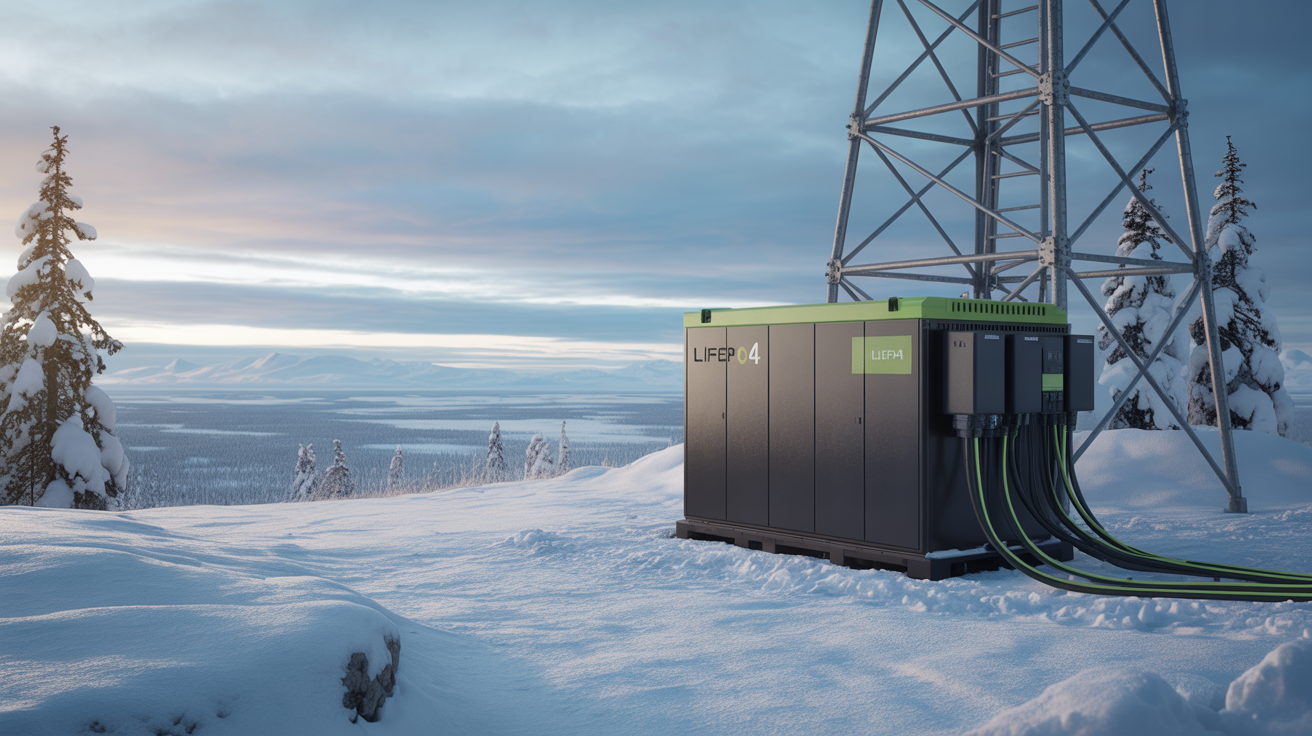
What separates a true low-temperature LiFePO4 battery from a marketing claim: a published charge-acceptance curve at the cold end. Wide Temp publishes ours all the way to −40°F (−40°C) and validates it on every production batch. That single discipline is the difference between a battery that recovers daily off solar in a Yukon winter and one that drifts toward zero by mid-January.
As industries continue to innovate and expand into extreme environments, the demand for reliable energy storage solutions has never been greater. In cold climates, traditional batteries often struggle to perform, leading to significant operational challenges. Enter the low temperature LiFePO4 battery, a cutting-edge solution designed specifically for harsh conditions. This article explores the benefits of low temperature LiFePO4 batteries and how they can enhance performance in cold environments.
Understanding Low Temperature LiFePO4 Batteries
Low temperature LiFePO4 batteries are a type of lithium iron phosphate battery engineered to maintain optimal performance in frigid conditions, ranging from -40°C to +75°C. These batteries are distinct from traditional lithium-ion batteries, primarily due to their chemical composition and thermal stability. With a focus on safety and reliability, low temperature LiFePO4 batteries are an ideal choice for a variety of industries where extreme temperatures are a concern.
Key Features of Low Temperature LiFePO4 Batteries
- Cold Charging Capability: Unlike many conventional batteries, low temperature LiFePO4 batteries can be charged even in sub-zero temperatures without the risk of damage, ensuring that your systems remain operational.
- 4,000 Cycle Life: These batteries boast an impressive cycle life, typically around 4,000 cycles, providing a long-lasting energy solution that reduces replacement costs.
- Built-in Battery Management System (BMS): The integrated BMS monitors voltage, current, and temperature, enhancing safety and performance while preventing overcharging or overheating.
- No-Dendrite Technology: This innovative technology minimizes the risk of lithium dendrite formation, which can lead to battery failure, particularly in cold environments.
Advantages of Using Low Temperature LiFePO4 Batteries
Choosing low temperature LiFePO4 batteries over conventional battery types can yield numerous advantages, particularly for industries operating in cold climates. Here are some of the most significant benefits:
1. Enhanced Performance in Extreme Conditions
One of the primary advantages of low temperature LiFePO4 batteries is their ability to perform reliably in extreme cold. Traditional batteries often experience reduced efficiency and capacity when temperatures drop, but low temperature LiFePO4 batteries are designed to operate effectively in challenging conditions. This ensures that critical systems, such as telecom infrastructure or emergency response equipment, remain functional when needed most.
2. Increased Safety and Reliability
Safety is paramount in any industry, especially in high-stakes environments like oil and gas or marine applications. Low temperature LiFePO4 batteries are known for their thermal stability and reduced risk of fire or explosion. The no-dendrite technology further enhances safety by minimizing the chances of battery failure due to internal short circuits. This reliability is essential for teams operating in cold climates, where battery performance can be a matter of life and death.
3. Cost-Effective Energy Solutions
While the initial investment in low temperature LiFePO4 batteries may be higher than traditional battery options, their long cycle life and reduced maintenance needs make them a cost-effective energy solution in the long run. With approximately 4,000 cycles, businesses can save significant amounts on battery replacements and maintenance, allowing them to allocate resources more efficiently.
4. Versatile Applications Across Industries
Low temperature LiFePO4 batteries are versatile and can be used across various industries, including:
- Telecom: Ensuring uninterrupted service in remote, cold regions.
- Oil & Gas: Powering drilling equipment and monitoring systems in extreme environments.
- Marine: Providing reliable energy for vessels operating in icy waters.
- Firefighting: Supporting emergency response equipment in cold climates.
- Scientific Expeditions: Powering research equipment in arctic and remote locations.
- Security: Keeping surveillance systems operational in freezing temperatures.
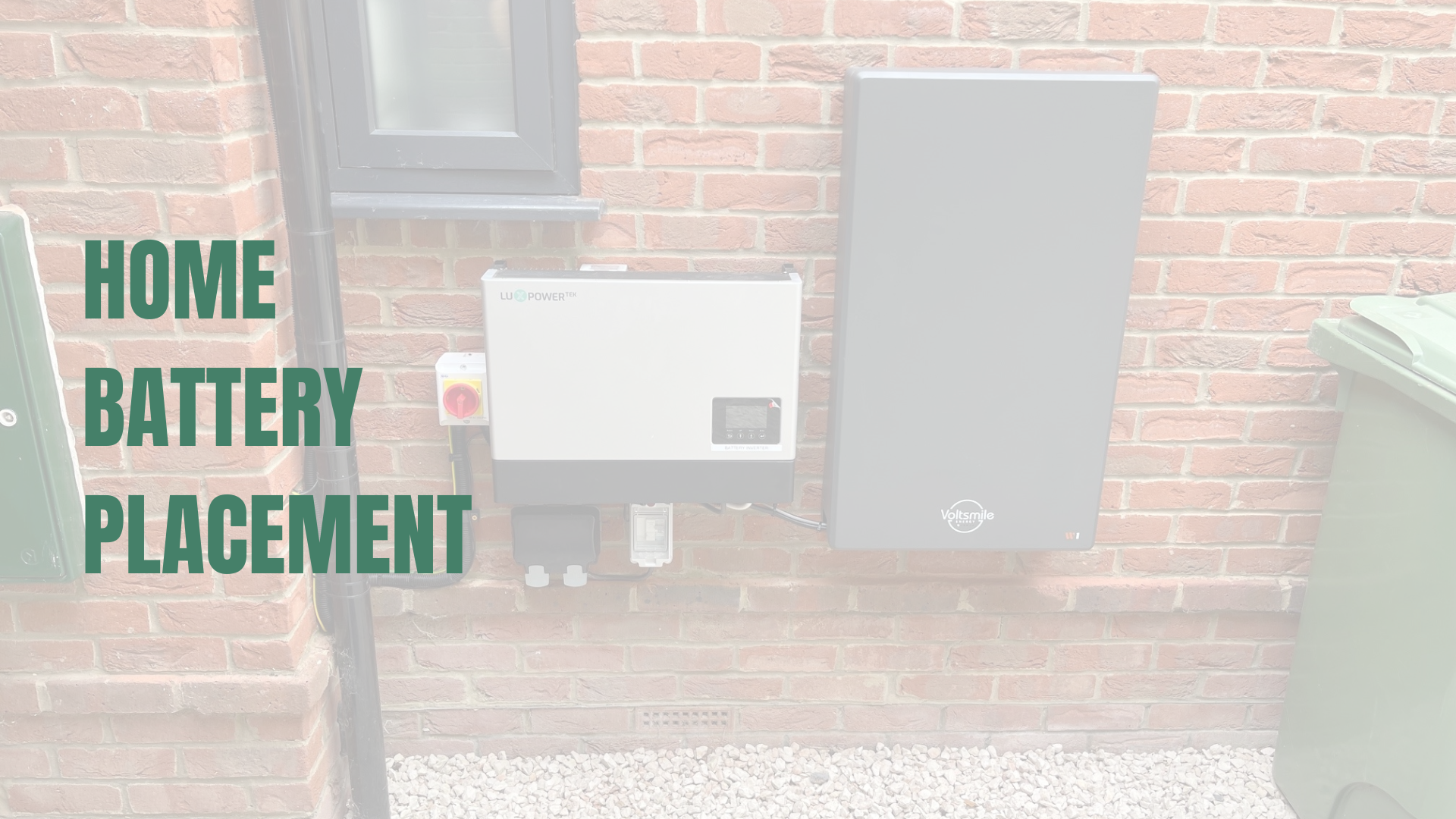
- Residential Off-Grid: Enabling reliable power for homes in cold regions.
Inside the Wide Temp Low-Temp Charging Architecture
Our low-temp LiFePO4 design pairs three engineering elements: a low-impedance electrolyte formulation that retains ionic conductivity below freezing, an integrated pre-conditioning element that uses pack energy to bring cells into the safe charging window in under 10 minutes from cold-soak, and a BMS firmware loop that closes on per-cell temperature rather than ambient. The architecture is fully transparent to the user and the inverter — the pack simply accepts charge whenever charge is available, including the worst night of January. It's a different design philosophy from the heater-blanket retrofits common elsewhere in the industry.
Conclusion
For businesses operating in cold climates, investing in low temperature LiFePO4 batteries is a strategic decision that can enhance operational efficiency, safety, and cost-effectiveness. With their superior performance in extreme conditions, built-in safety features, and long cycle life, low temperature LiFePO4 batteries from Wide Temp Batteries are the optimal solution for industries that demand reliable energy storage in challenging environments. Don't let cold weather compromise your operations—choose a low temperature LiFePO4 battery today and experience the difference.
Reviewed By
This article was reviewed by the engineering team at Wide Temp Batteries, including Darrell Jakins, CEO and a 20-plus-year veteran of advanced battery system design. Specifications, cycle figures, and operating ranges referenced in this piece are drawn from our published cell datasheets and the current revision of our 10-year warranty documentation.
Curious about the published acceptance-current vs. temperature curve for your pack size? Reach out to our team and we'll walk you through the engineering data, real-world deployment results, and the exact configuration that fits your application.
Reviewed by Intelligent Power Engineering Team
This article was written and fact-checked by our in-house battery engineering team with 50+ years of combined experience in LiFePO4 technology and wide temperature battery systems.
Meet our team →