The procurement pivot: the industrial buyers who get this right stop selecting on cents-per-Ah and start selecting on cents-per-cycle-at-temperature. A cheaper pack that misses spec at 0°F or 110°F isn't cheaper at all — it's just cheap. Wide Temp's cycle figures are guaranteed at the actual operating envelope, not at lab-bench 25°C.
In today's industrial landscape, the demand for reliable energy storage solutions has never been greater. When operating in harsh conditions, the choice of battery can significantly impact operational efficiency, safety, and longevity. Understanding how to choose an industrial battery for extreme environments is crucial for industries such as telecom, oil & gas, marine, firefighting, and others. This article will guide you through the essential factors to consider when selecting a battery that can withstand extreme temperatures, ensuring optimal performance and reliability.
Understanding Your Operational Environment
Before diving into the specifications of different battery types, it's vital to understand the specific conditions your battery will face. Harsh operating environments can encompass:
- Extreme temperatures (both high and low)
- Vibration and shock
- Humidity and moisture
- Dust and corrosive elements
Considering these factors will help narrow down your options and identify batteries designed specifically for challenging conditions.
Key Specifications to Consider
1. Temperature Range
One of the most critical factors when learning how to choose an industrial battery is understanding the temperature range it can operate within. LiFePO4 batteries, like those offered by Wide Temp Batteries, are engineered to function effectively in extreme temperatures, ranging from -40°C to +75°C. This ensures that your operations can continue without interruptions, regardless of the climate.
2. Cycle Life
The cycle life of a battery refers to how many complete charge and discharge cycles it can undergo before its capacity significantly diminishes. In harsh operating conditions, a longer cycle life means less frequent replacements and lower overall costs. Wide Temp Batteries provide a cycle life of 4,000 cycles, making them an excellent investment for industries requiring durability and longevity.
3. Built-in Battery Management System (BMS)
A robust BMS is essential for monitoring the health of the battery, optimizing performance, and ensuring safety. This system can prevent overcharging, overheating, and short-circuiting, which are particularly critical in extreme environments. When evaluating how to choose an industrial battery, ensure it has a reliable BMS that can handle the demands of your application.
4. Cold-Charging Capability
Many traditional batteries struggle to charge effectively in cold temperatures, leading to reduced performance and potential damage. Cold-charging capability is a significant feature to look for, especially for operations in frigid environments. LiFePO4 batteries from Wide Temp Batteries are designed to charge efficiently even in extreme cold, ensuring that your equipment remains operational when you need it most.
Industry-Specific Considerations
Different industries may have unique requirements when it comes to battery selection. Here's a closer look at how to choose an industrial battery for specific sectors:
1. Telecom
Telecom infrastructure often requires reliable backup power solutions that can withstand various environmental challenges. Batteries must not only perform well in extreme temperatures but also have a long cycle life to ensure continuous operation during power outages.
2. Oil & Gas
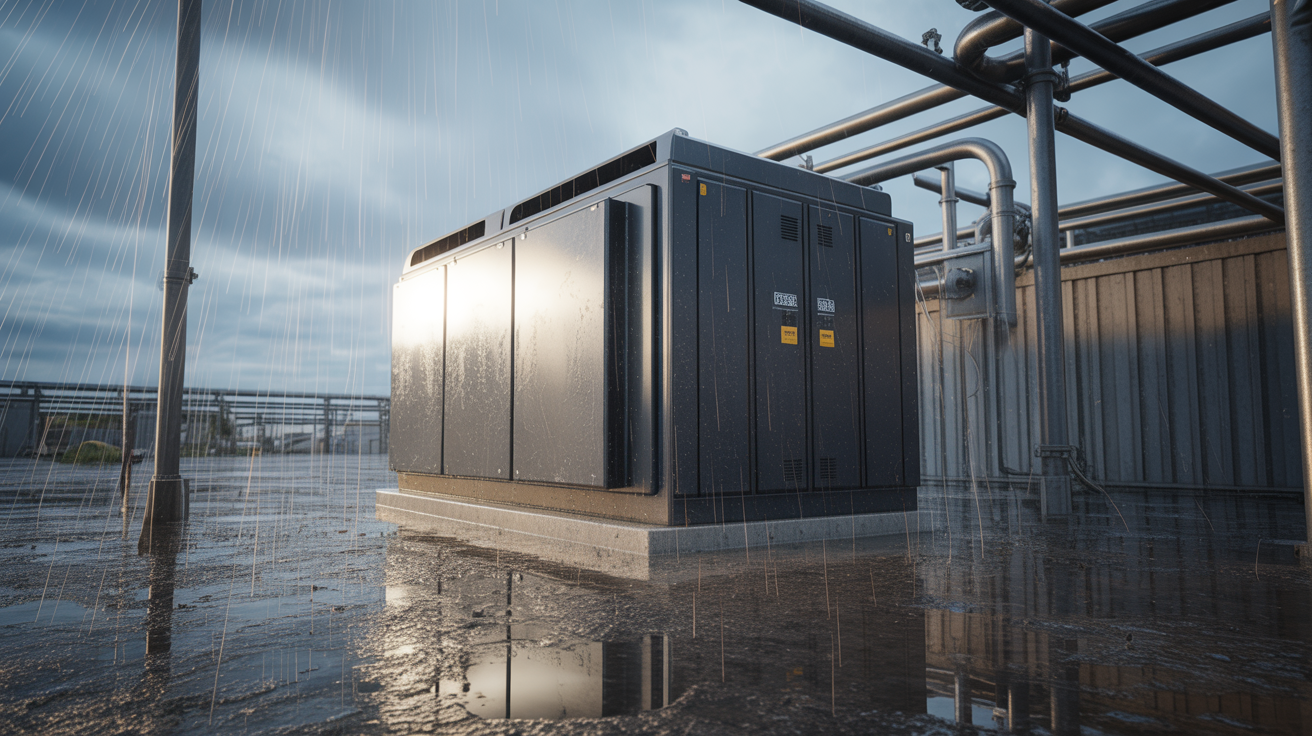
In the oil and gas industry, batteries must endure harsh outdoor conditions, including extreme temperatures and exposure to corrosive substances. Choosing a battery with a high resistance to these elements is essential for maintaining safety and operational efficiency.
3. Marine
Marine applications demand batteries that can withstand moisture and salt exposure. Additionally, they should have high discharge rates to support various onboard equipment. A battery designed for marine use, like those from Wide Temp Batteries, will meet these demands effectively.
4. Firefighting
Firefighting equipment requires reliable power sources that can operate in extreme conditions, including high heat and humidity. Batteries must be robust and capable of rapid charging to ensure readiness at all times.
5. Residential Off-Grid
For residential off-grid solutions, the chosen battery should provide sufficient energy storage and have a long lifespan to ensure reliability during power shortages. LiFePO4 batteries offer a perfect balance of performance and longevity for off-grid applications.
The Three Questions That Filter Out 80% of Vendors
When our team helps an industrial buyer write a battery spec, we recommend three filtering questions early in the process: (1) What is the cycle count at your actual high and low operating temperature — not at 25°C? (2) What is the rated charge-acceptance current at the cold end of your operating envelope? (3) Does the warranty hold cycle figures even when the battery operates continuously at the upper limit, or does it carve out an exception? Most generic LiFePO4 vendors fail at least one of these. Wide Temp's published spec answers all three with the same number across the entire operating envelope — which is why we tend to win on technical evaluation even when we lose on initial price.
Conclusion
Choosing the right industrial battery for harsh operating conditions is a critical decision that can impact productivity and safety. By understanding how to choose an industrial battery, you can make informed decisions that meet the specific needs of your industry. Consider factors such as temperature range, cycle life, built-in BMS, and cold-charging capability when selecting your energy storage solution.
At Wide Temp Batteries, we specialize in providing LiFePO4 batteries designed specifically for extreme environments. Our products guarantee reliability, safety, and longevity, making them the ideal choice for your industrial applications. Contact us today to learn more about how our batteries can support your operations in harsh conditions.
Reviewed By
This article was reviewed by the engineering team at Wide Temp Batteries, including Darrell Jakins, CEO and a 20-plus-year veteran of advanced battery system design. Specifications, cycle figures, and operating ranges referenced in this piece are drawn from our published cell datasheets and the current revision of our 10-year warranty documentation.
Need help drafting an RFQ that gets you apples-to-apples answers from the industry? Reach out to our team and we'll walk you through the engineering data, real-world deployment results, and the exact configuration that fits your application.
Reviewed by Intelligent Power Engineering Team
This article was written and fact-checked by our in-house battery engineering team with 50+ years of combined experience in LiFePO4 technology and wide temperature battery systems.
Meet our team →